Machine Guarding Polycarbonate
Guards and viewing windows that stop a thrown tool — impact rated, fire rated, optionally anti-static.
Machine guarding is a safety function, not a cosmetic one. The panel has to contain a tool, workpiece or fragment released at speed, and keep containing it after years of coolant, swarf and cleaning.
Polycarbonate is the standard because it deforms and absorbs energy rather than fracturing. Acrylic in the same position shatters and becomes a second hazard.
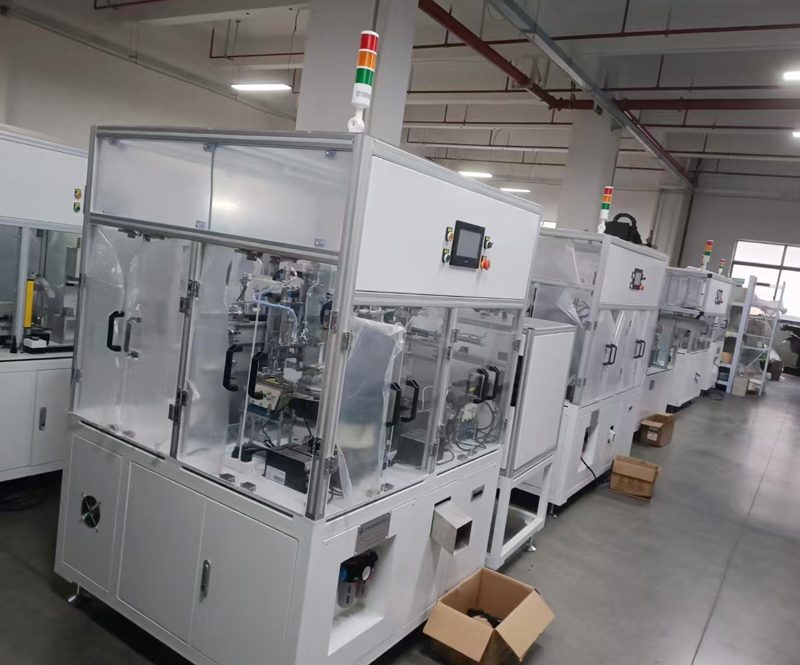
Specifying a guard that stays compliant
Thickness by energy, not by eye. Light assembly guards run 4–6 mm; machining centres and lathes typically need 8–12 mm. If your machine has a guarding standard, send it and we will specify to it.
Coolant compatibility. Some cutting fluids and cleaning solvents attack polycarbonate and cause crazing — fine cracks that destroy impact performance while the panel still looks intact. Tell us the fluid and we will confirm.
Replace on a schedule. Guards degrade with UV, chemical exposure and repeated impact. Most machinery standards expect periodic replacement; a guard that looks fine can have lost most of its energy absorption.
Where fire is a factor, specify flame-retardant sheet. For electronics assembly, specify ESD sheet so the guard does not become a static hazard.
Typical applications
- CNC machining centre and lathe enclosures
- Assembly line guards and light curtains infill
- Robot cell perimeter panels
- Press and stamping equipment shields
- Conveyor guarding and inspection windows
Minimum order and lead time
This grade ships from 100 m² or 1 tonne — a trial pallet, not a full container. Standard sizes and stock colours run in 7–10 days; non-standard thickness or width in 12–18 days; add 3–7 days for CNC cut-to-size work. Quoted in USD on FOB, CIF or DDP terms. Full detail on the MOQ, lead time & shipping page.
Questions buyers ask
How thick should a machine guard be?
It depends on the mass and velocity of what could be released. Light assembly work is usually 4–6 mm; metal cutting typically 8–12 mm. Send the machine type and any applicable standard and we will specify rather than guess.
Why do guards go cloudy and crack?
Chemical crazing, almost always from coolant or an aggressive cleaner. The panel looks hazy but the real problem is that its impact resistance has collapsed. It should be replaced, not polished.
Can you supply guards cut and drilled to drawing?
Yes — 22 CNC centres at ±0.1 mm. Send DXF, DWG or STEP and we ship finished panels ready to fit.